

In the frenetic gold rush of the artificial intelligence era, investors have spent the last two years obsessing over the miners. They have poured trillions into chip designers like Nvidia and fabricators like TSMC, chasing the silicon brains that power a new digital reality. Yet in the shadow of these giants stands the company that builds the pickaxes, the shovels, and the very geology of the semiconductor world. Applied Materials (AMAT), fresh off a record fiscal 2025 where revenue reached $28.37bn, has emerged not merely as a participant in the chip boom, but as one of its architects.
As the calendar turns to 2026, the stock is trading near all time highs of $284, reflecting a market finally waking up to a simple truth. You cannot have an AI revolution without the molecular engineering that Applied Materials provides. For the discerning investor, the case for AMAT is not just about the next quarter’s earnings beat. It is about owning a piece of the infrastructure that underpins the next decade’s economy.
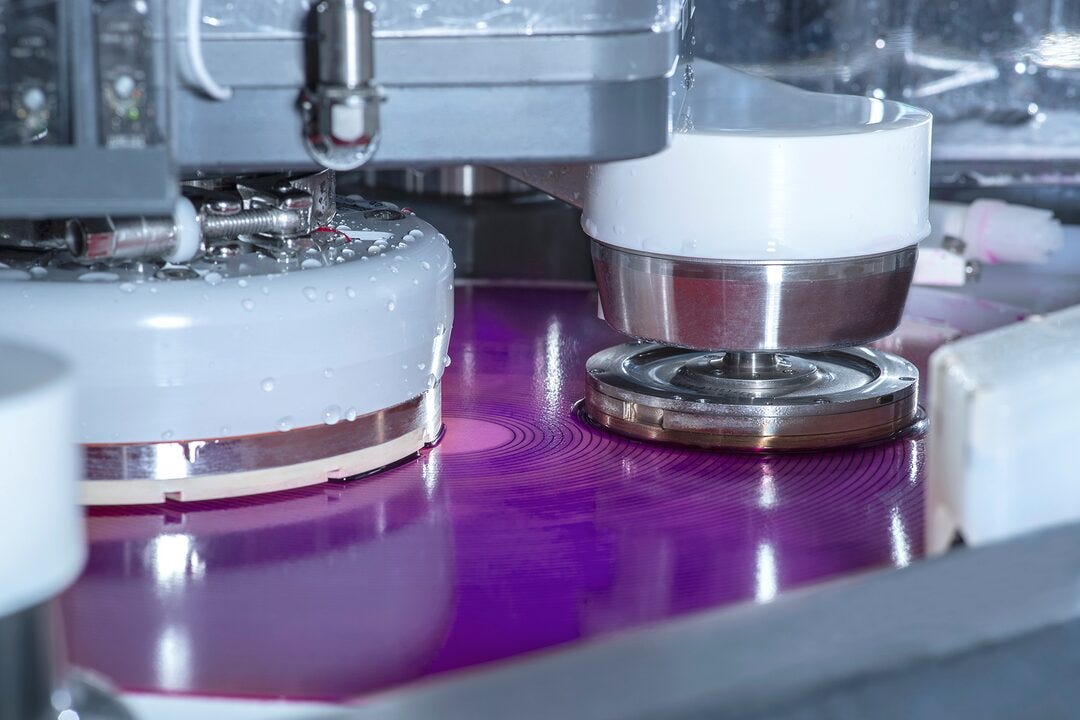
The Complexity Dividend: GAA and Sculpta
To understand the bullish thesis, it helps to look beyond the simple volume of chips being sold and into the physics of how they are made. The industry is in the middle of the most significant manufacturing shift in two decades. It is moving from FinFET transistors to Gate All Around technology.
For Applied Materials, complexity acts like a moat. As chips shrink to 2 nanometres and beyond, the margin for error evaporates. Manufacturing these devices requires new deposition techniques and atomic level precision. That plays directly into Applied’s strengths. Management has said the shift to GAA nodes lets it capture about 30 per cent more revenue per wafer than the prior generation.
Then there is Centura Sculpta. The pitch is straightforward. It aims to reduce the need for costly “double patterning” steps tied to EUV lithography by physically shaping patterns on the wafer. If it works as advertised at scale, it saves customers money and shortens process time. In an industry where minutes matter and capital budgets run into the tens of billions, that kind of tool becomes hard to ignore.
The EPIC Centre: A Strategic Lock In
Applied is also changing how semiconductor innovation gets done. In early 2026, the company is bringing online the EPIC Centre, a $4bn facility in Silicon Valley dedicated to equipment and process development.
Chipmakers and tool suppliers have traditionally worked in parallel, sharing requirements, then iterating through long qualification cycles. The EPIC model compresses that loop. It offers partners dedicated space within Applied’s site, so they can test next generation tools and processes before those tools ever reach broad commercial rollout. This is a lock in strategy with real teeth. If a customer helps develop a process around a specific tool set, switching later gets harder, slower, and more expensive.

De Risking the China Narrative
The main weight on the stock for years has been China. Washington’s tightening export controls were expected to bite. In October 2025, the company projected a $710mn revenue hit for fiscal 2026 tied to restrictions on certain shipments to Chinese entities.
Yet the market’s reaction has been telling. Shares pushed to new highs anyway, suggesting this risk is now largely absorbed into expectations. The demand has not vanished so much as shifted. The shortfall is being backfilled by an onshoring boom in the United States, Europe, and Japan, where governments are subsidising domestic fabs to secure supply chains. Those subsidies, indirectly, support Applied’s order book. The company has also emphasised business tied to less advanced nodes, which remain outside the tightest controls and still matter for autos, industrial systems, and consumer devices.
Financial Fortitude
Financially, Applied looks like a fortress. It ended fiscal 2025 with record non GAAP earnings per share of $9.42, a sign of steady execution and pricing power in a tight equipment market. Free cash flow came in near $8bn, giving the company room to pay dividends and buy back shares while still funding a heavy research budget.
Some analysts have lifted price targets as high as $360. Even after the rally, the valuation can look reasonable next to the lofty multiples assigned to chip designers. Investors are not paying for a single product cycle. They are paying for a position in the production stack.
Conclusion
The semiconductor industry is entering a phase where the busts may be shallower and the booms longer, driven by AI, electrification, and the broad digitisation of economies. In that world, the equipment makers are the gatekeepers.
Applied Materials sits near the apex of that ecosystem. It has one of the industry’s broadest portfolios, from advanced deposition to packaging. It is investing heavily to stay ahead of process complexity. Its EPIC Centre deepens customer dependence by pulling partners into its development pipeline. If the next decade is defined by more silicon, in more places, doing more work, then Applied’s machines will be part of the story.
Bullish
Disclaimer:
All views expressed are my own and are provided solely for informational and educational purposes. This is not investment, legal, tax, or accounting advice, nor a recommendation to buy or sell any security. While I aim for accuracy, I cannot guarantee completeness or timeliness of information. The strategies and securities discussed may not suit every investor; past performance does not predict future results, and all investments carry risk, including loss of principal.
I may hold, or have held, positions in any mentioned securities. Opinions herein are subject to change without notice. This material reflects my personal views and does not represent those of any employer or affiliated organization. Please conduct your own research and consult a licensed professional before making any investment decisions.