

LASR 0.00%↑
The way modern military conflicts are fought is changing. Heavy formations and expensive precision weapons are giving way to a new reality of high-volume, low-cost attacks. A Washington-based laser manufacturer named nLight is at the center of this shift. The company has changed its entire business model to become a key part of the Western defense industry. Right now, the United States is deploying a naval coalition to the Strait of Hormuz to respond to Iranian actions. As this happens, nLight is partnering with defense companies like Lockheed Martin to supply high-power lasers for systems like the Iron Beam. These systems offer a practical answer to the expensive problem of asymmetric warfare.
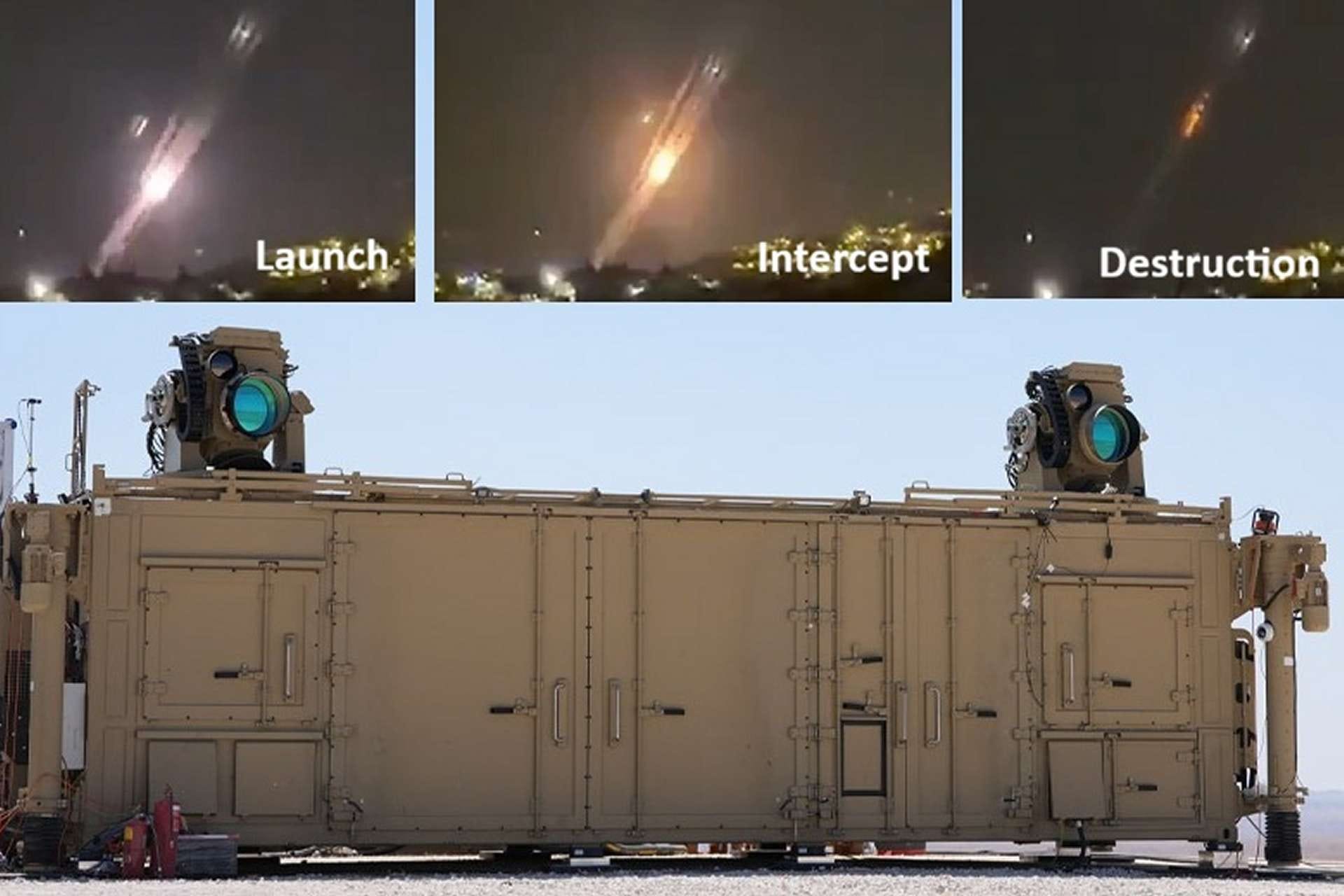
Shifting Focus to Defense
For more than twenty years, nLight was known mostly as a global leader in making high-power semiconductor and fiber lasers. These tools were used for industrial jobs like cutting and welding. Today, the company is going through a major transformation. It is leaving those traditional markets behind to focus almost entirely on aerospace and defense.
This shift is already visible in the numbers. By the fourth quarter of 2024, defense and aerospace made up 64% of nLight’s total revenue. That is the highest percentage in the history of the company. In 2025, nLight reached record annual revenues of $261 million. This marked a 32% increase overall, fueled by a 60% jump in defense sales.
The strategic value of nLight comes from its vertical integration. Many defense contractors only assemble parts into finished systems. nLight takes a different approach by controlling the entire technology stack. They make the semiconductor chips, the high-power fiber amplifiers, and the beam directors. The company is pouring this expertise into several high-priority programs. They are currently delivering 50kW-class lasers for the DE M-SHORAD program of the U.S. Army. They are also working to scale up to megawatt-class lasers for the HELSI-2 initiative run by the Department of Defense.
Partnering on the Iron Beam
A major part of the defense strategy at nLight is its partnership with Lockheed Martin. Back in December 2022, Lockheed Martin signed a teaming agreement with an Israeli defense contractor named Rafael. Their goal was to develop, test, and manufacture a high-energy laser system for the U.S. market. This new system is based on the Iron Beam technology from Israel. nLight is actively engaged with all the key players in this area. They provide the high-power laser technology needed to actually make these systems work in the field.
The Iron Beam itself is a 100kW-class high-energy laser weapon system. It is built to intercept threats in the air at the speed of light. The first Israeli systems were designed mostly for short-range defense. However, the collaboration between Lockheed and nLight is working to increase those power levels. More power means the system can take on complex targets like drone swarms and incoming rocket salvos. Through this partnership, nLight has positioned itself as the main domestic industrial engine to produce these weapons at a large scale.
The Situation in the Strait of Hormuz
The need for this new technology is very clear in the Strait of Hormuz. In early 2026, President Trump announced the deployment of an international naval coalition to the area. This deployment includes multiple U.S. warships and more than 2,500 Marines. Their mission is to keep the oil corridor open while Iran attempts to use the global energy supply as a weapon.
The military doctrine of Iran relies heavily on overwhelming an opponent with mass-produced, inexpensive assets. For example, the Shahed-136 drone only costs Iran between $20,000 and $50,000 to build. They launch these drones in large waves to exhaust the defenses of their targets. Currently, the U.S. and its partners try to stop these attacks using advanced kinetic interceptors. These traditional weapons are simply not an operational or economic match for cheap drones.
The basic math of this conflict is harsh. A single Iranian Shahed drone costs around $20,000. Meanwhile, a U.S. Patriot PAC-3 interceptor costs roughly $3 million to $4 million. A U.S. THAAD interceptor costs even more, running between $12 million and $15 million. During a 12-day escalation in June 2025, Iran launched over 1,000 drones and 550 ballistic missiles. To stop those incoming threats, the coalition had to use between $5 billion and $10 billion worth of high-end missiles. Spending that much money so quickly is strategically unsustainable. It drains missile inventories much faster than factories can replace them.
Fixing the Economic Imbalance
Directed energy weapons like the Iron Beam offer a real way to fix this economic problem. Firing a THAAD interceptor costs $15 million. In contrast, a single shot from an Iron Beam laser only requires about $3 to $10 worth of electricity. This near-zero cost creates an unlimited magazine. As long as a ship or a ground battery has power, it can keep firing. Crews do not have to worry about the heavy logistical burden of constantly reloading expensive physical munitions.
For U.S. Navy ships sailing in the narrow and crowded waters of the Persian Gulf, the naval version of the Iron Beam is an essential tool. It acts as a magazine multiplier. Destroyers in the Arleigh Burke-class can use the laser to stop small boats and unmanned aerial vehicles at the speed of light. This allows the ships to save their limited supply of Standard Missiles, such as the SM-2 and SM-6. Those expensive missiles can then be kept ready for high-end threats like ballistic missiles, which lasers cannot stop yet.
Operating lasers at sea can be difficult due to dust, humidity, and other atmospheric conditions. This is where the specific technology from nLight comes in. Their Coherent Beam Combination and adaptive optics help the laser maintain a tight focus and burn through targets even in challenging maritime environments.
A New Approach to Air Defense
The Pentagon has set an aggressive timeline to get these laser weapons ready for widespread use within the next three years. The Iron Beam and its American-made variants are intended to be the foundation of a proposed Golden Dome air defense umbrella. This network is meant to protect U.S. forces and their allies throughout the Middle East.
Operation Epic Fury showed that missile defense can no longer act as a perfect, invulnerable shield. Cheap commercial technology can now overwhelm highly advanced defense networks. The Iron Beam changes that dynamic. By bringing the costs of defense back in line with the costs of attack, the U.S. can stop Iran from draining Western military budgets. Scott Keeney, the CEO of nLight, pointed out that his company is now the most comprehensive supplier to the U.S. government for this specific mission. They are providing an industrial foundation that simply did not exist before.
The shift nLight made toward defense work, alongside its role in the Lockheed-led Iron Beam project, outlines a practical future for military operations. Trading a $15 million interceptor missile for a $3 laser shot is a necessary step. Through this work, nLight is helping the U.S. military maintain its tactical advantage and keep its forces safe in the drone-heavy environment of the Strait of Hormuz and beyond.
Disclaimer:
All views expressed are my own and are provided solely for informational and educational purposes. This is not investment, legal, tax, or accounting advice, nor a recommendation to buy or sell any security. While I aim for accuracy, I cannot guarantee completeness or timeliness of information. The strategies and securities discussed may not suit every investor; past performance does not predict future results, and all investments carry risk, including loss of principal.
I may hold, or have held, positions in any mentioned securities. Opinions herein are subject to change without notice. This material reflects my personal views and does not represent those of any employer or affiliated organization. Please conduct your own research and consult a licensed professional before making any investment decisions.