

ADBE 0.00%↑
MSFT 0.00%↑
INTU 0.00%↑
SONY 0.00%↑
META 0.00%↑
Round one priced in fewer seats. Round two prices in the product being copyable. When an AI can rebuild your flagship app from the user manual, your multiple stops being a “software” multiple and starts being a “stuff anyone can make” multiple. The survivors own things you can’t prompt: users, data centers and physical hardware.
1. Recap for the apes who just got here
Jefferies’ Jeffrey Favuzza named it. Anthropic’s Claude Cowork launched on 12 January 2026, and the S&P Software & Services Index lost roughly 25% by late February. The thesis was arithmetic: agents do the work, companies buy fewer per-seat licenses, revenue compresses. Painful, but survivable. You can reprice from seats to usage. Everyone wrote that memo.
2. Why round two is structurally worse
Round one attacked the pricing model. Round two attacks the product. The market has spent 20 years paying 10x revenue for software because writing it was expensive and switching was painful. Both assumptions just broke in the same week.
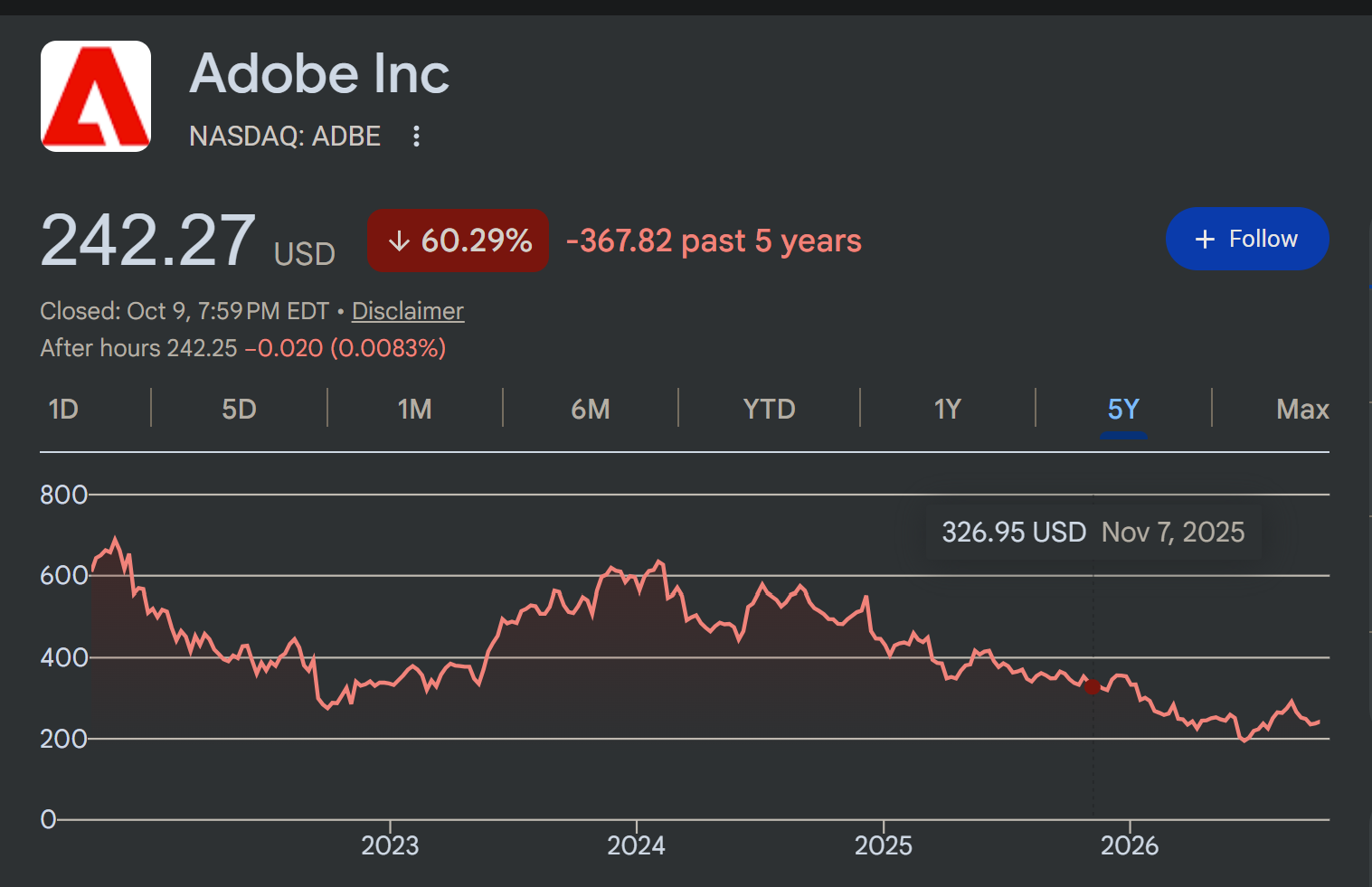
Exhibit A: ADBE
Brandon Thomas and his company ArtCraft released seven open-source programs replicating Adobe’s suite, built with Claude Opus 5.5 in Rust, free under MIT and Apache 2.0 licenses, running on Windows, Linux and macOS. PhotoCraft, the Photoshop clone, passed 23,000 GitHub stars within about a week.
The bull will tell you it’s junk, and he’s not wrong today: Thomas walked back his promise of full parity in a month, current parity is estimated at 25–35%, and users report problems with basic editing, shortcuts and performance. But you don’t price the alpha build. You price the slope. The apps shipped multiple new releases within days of launch. Adobe ships annually. This thing ships daily.
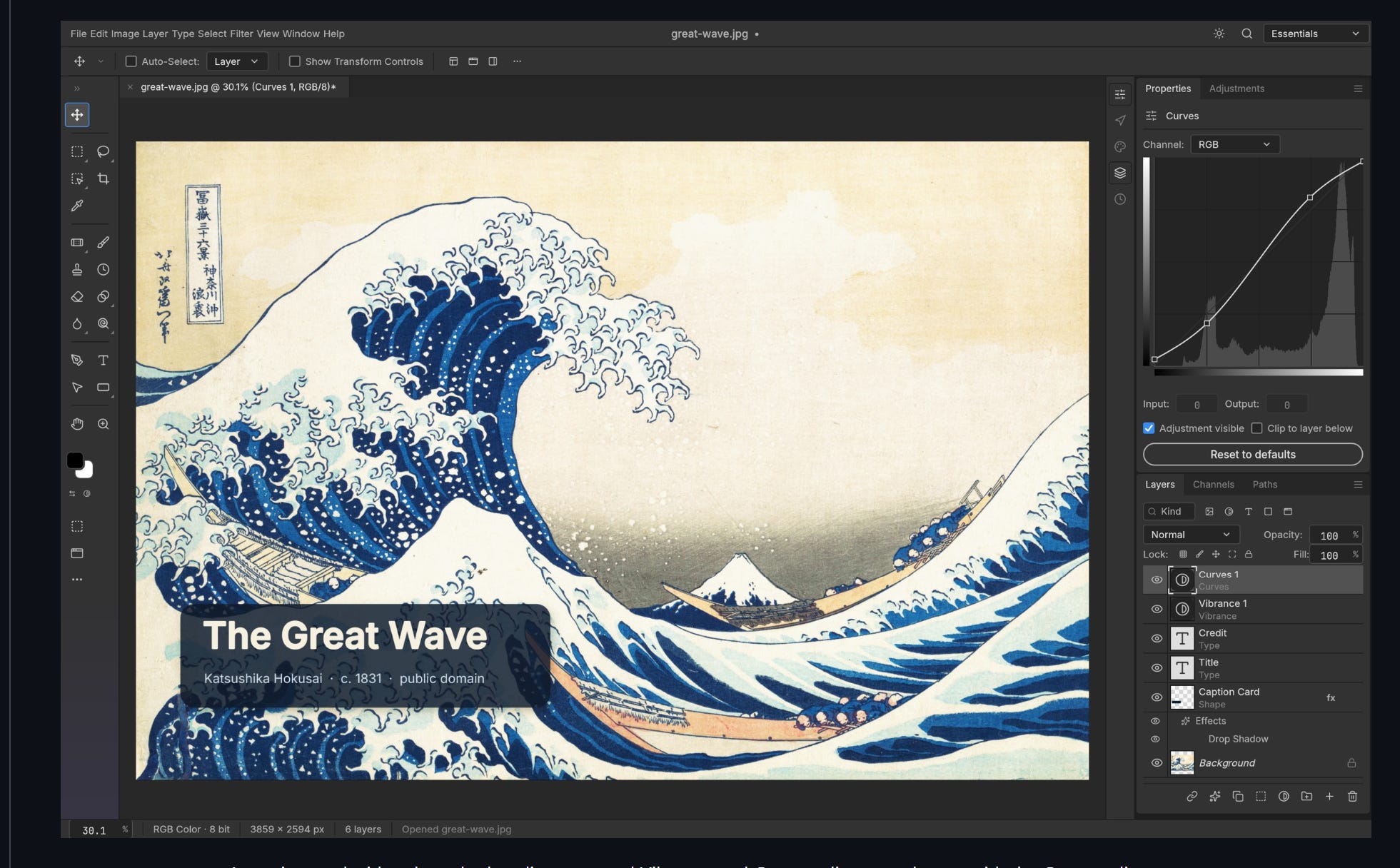
Exhibit B: MSFT
Same playbook, bigger target. WordCraft claims 87% coverage of Word’s ribbon commands and about 62% real feature parity, while GridCraft covers about 93% of Excel’s worksheet functions. Office’s moat was never Word’s code. It was .docx compatibility and 30 years of muscle memory, and a model trained on public specs reproduces both. Meanwhile Microsoft’s response to pressure was raising commercial Office prices by up to 33% in July. Raising prices while a free clone closes the gap is a fascinating choice.
The nuance: MSFT is not ADBE. Azure, enterprise identity and procurement inertia mean Office could lose consumers and still keep the Fortune 500 for years. This is a multiple story, not a death story.
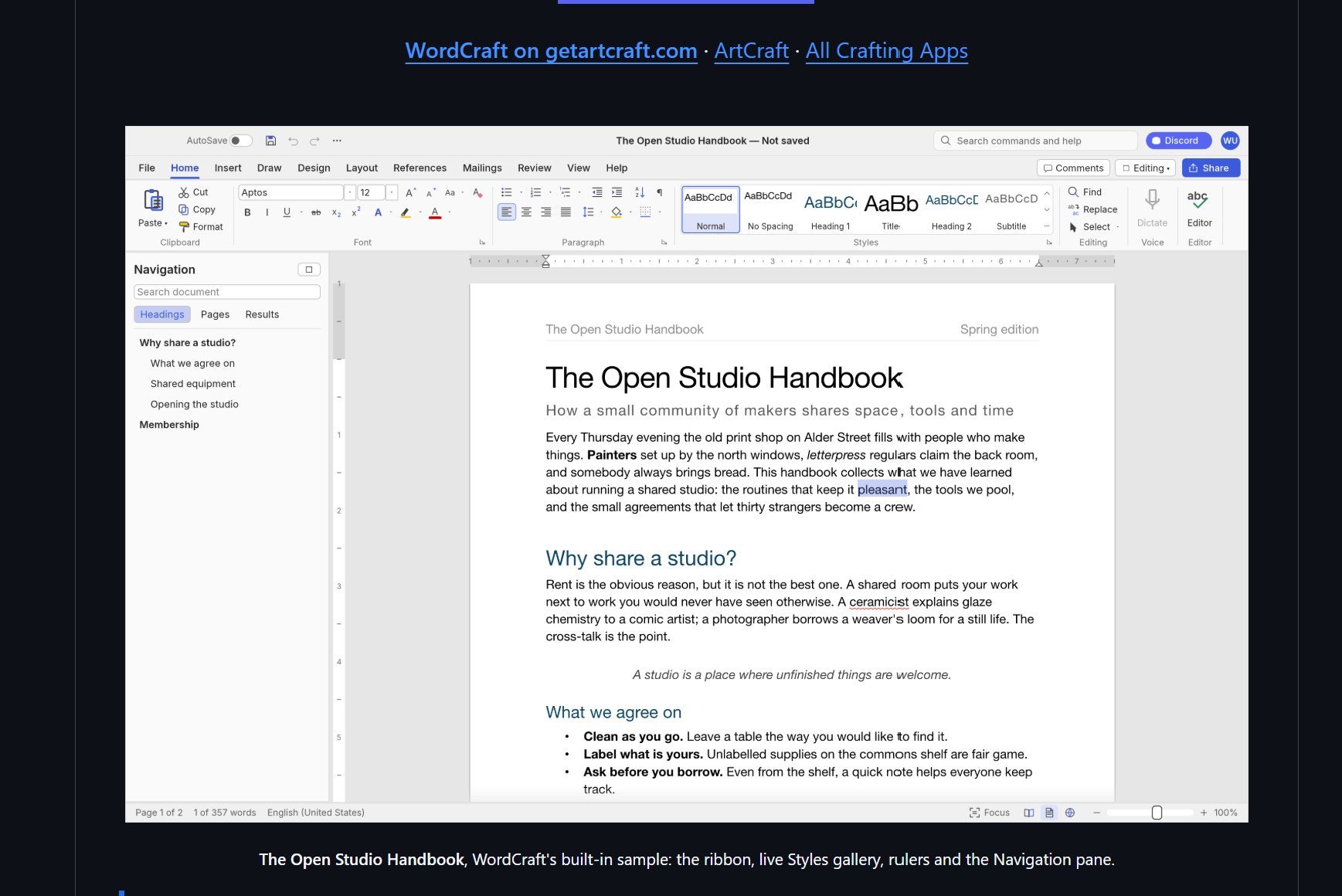
Exhibit C: Games (SONY)
Hundreds of AI-decompiled game ports have appeared in a matter of weeks, because Opus 5.5 turns out to be extremely good at decompiling, rebuilding source in record time. Today it’s older titles. But look at the timing: Sony just cut its pledge to bring first-party titles to PC from its SEC annual report, to protect PS5 hardware. If recompilation scales to modern games, exclusivity becomes a legal moat, not a technical one, and legal moats are slower and more expensive to defend.
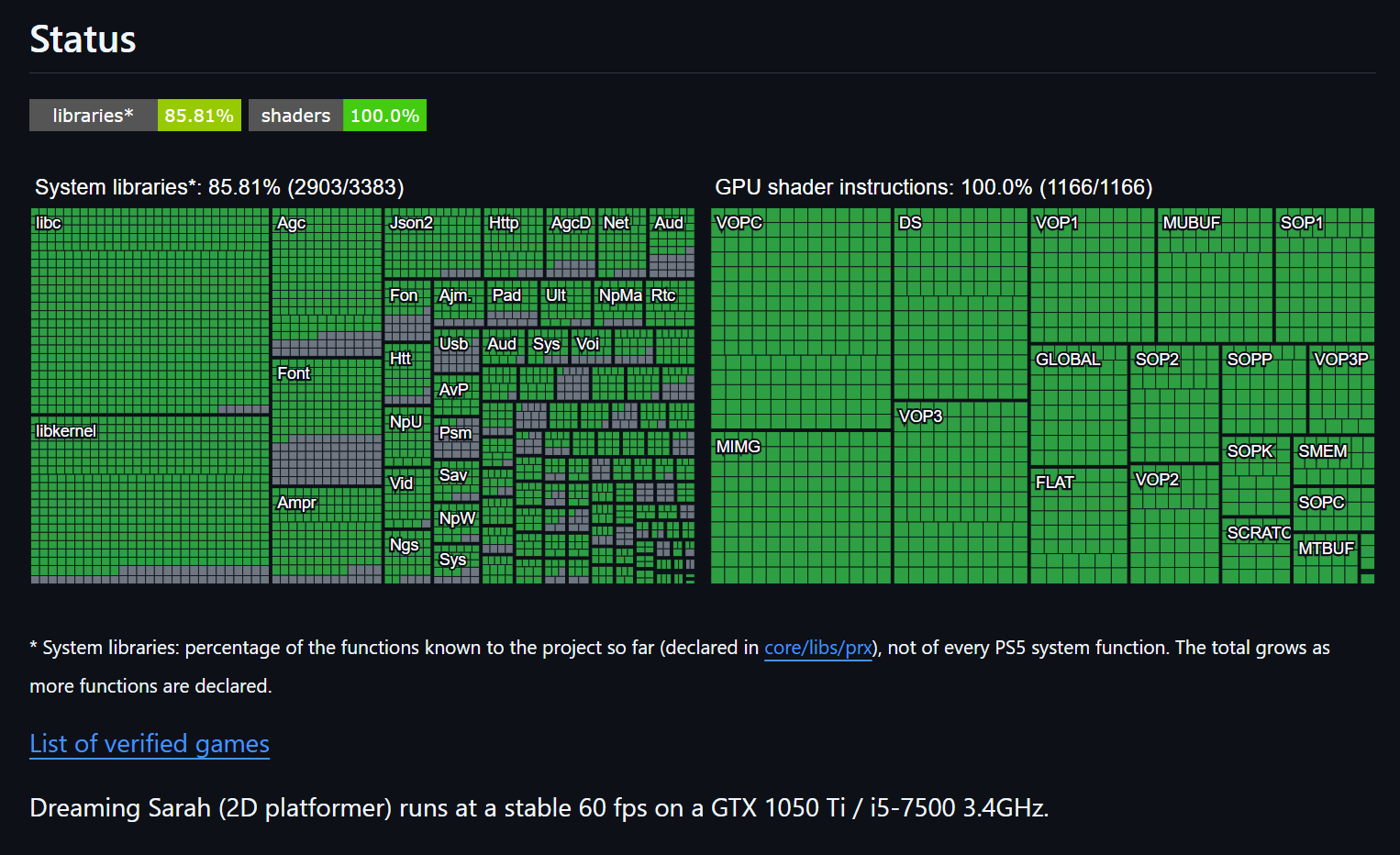
Exhibit D: INTU
Tax software is rules plus forms, which is precisely what models are best at. As of June, Intuit was the worst performer in the major indices, down 58% year to date, and it had laid off about 17% of its workforce.
3. Who survives
Ask one question: can this be rebuilt from public documentation? If yes, it’s getting rerated.
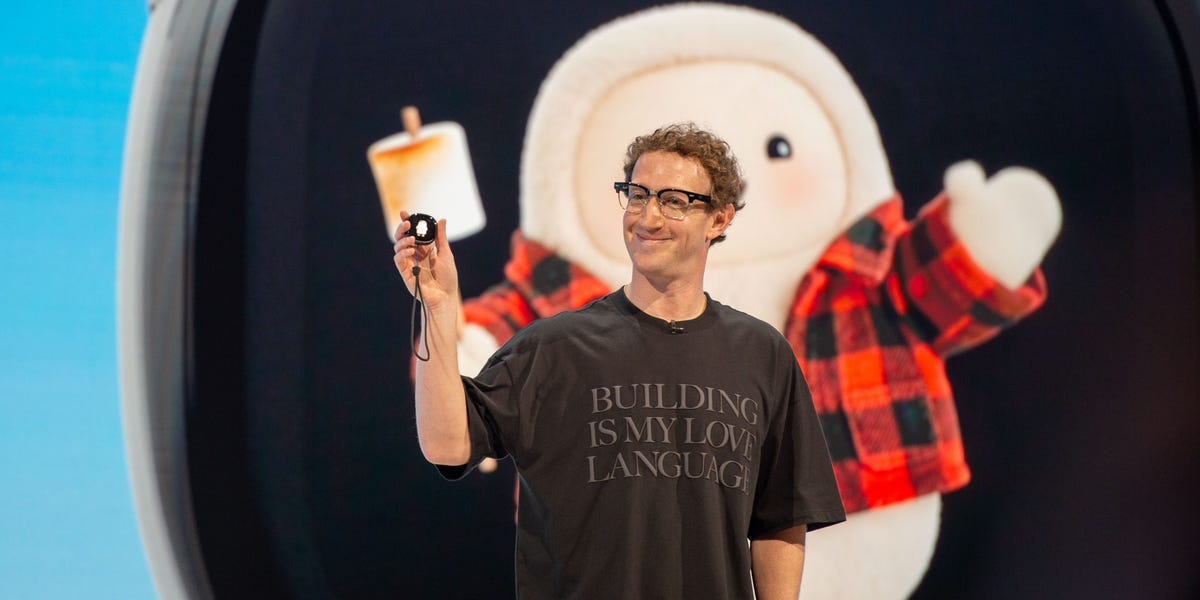
What can’t be prompted: network effects, physical infrastructure, atoms. You can clone Instagram’s UI over a weekend; you cannot clone three billion users or the data centers that serve them. And META is moving into hardware: Zuckerberg unveiled the Muse Charm, a palm-sized device for Meta’s Muse AI agent, at Connect in September, then launched Muse Gadgets, an open-source project for building hardware that connects to Muse. Note the irony: Meta open-sources the cheap layer (software) to sell the scarce layer (users plus devices).
4. What’s priced in
More than the bears admit. In June, Adobe traded at 8.3x forward earnings versus a five-year average of 25, and Intuit at 11.6x versus 34. Revenue is still growing double digits, with Intuit at 12% and Adobe at 10%, even as the stocks have been cut in half or worse. So the question isn’t “is AI a threat,” it’s whether the market has priced zero switching costs, not just fewer seats. My view: round one priced the first, not the second.
5. What would make me wrong
Patent lawyers. Adobe holds thousands of patents on software features and mechanics, and a few injunctions could chill the clone ecosystem.
Pros don’t switch. Enterprise workflows, plugins, color management and compliance are the last 30% of parity, and the last 30% is where the real work lives.
Incumbents eat the tech. Adobe and Microsoft have the same models available. If they cut prices and ship faster, the clones become a pricing ceiling, not an extinction event.
Disclaimer:
All views expressed are my own and are provided solely for informational and educational purposes. This is not investment, legal, tax, or accounting advice, nor a recommendation to buy or sell any security. While I aim for accuracy, I cannot guarantee completeness or timeliness of information. The strategies and securities discussed may not suit every investor; past performance does not predict future results, and all investments carry risk, including loss of principal.
I may hold, or have held, positions in any mentioned securities. Opinions herein are subject to change without notice. This material reflects my personal views and does not represent those of any employer or affiliated organization. Please conduct your own research and consult a licensed professional before making any investment decisions.