

$SPCX
Wall Street is facing an unprecedented summer. Three historic private companies are entering the public markets almost at the exact same time. SpaceX, OpenAI, and Anthropic aim to capture a combined valuation near $3.7 trillion. Retail investors, pension funds, and institutional managers have waited years for these listings to happen. Investors must now decide if these initial public offerings will create massive wealth or simply transfer significant risk to everyday buyers.
Filing the Paperwork: The Race to Go Public
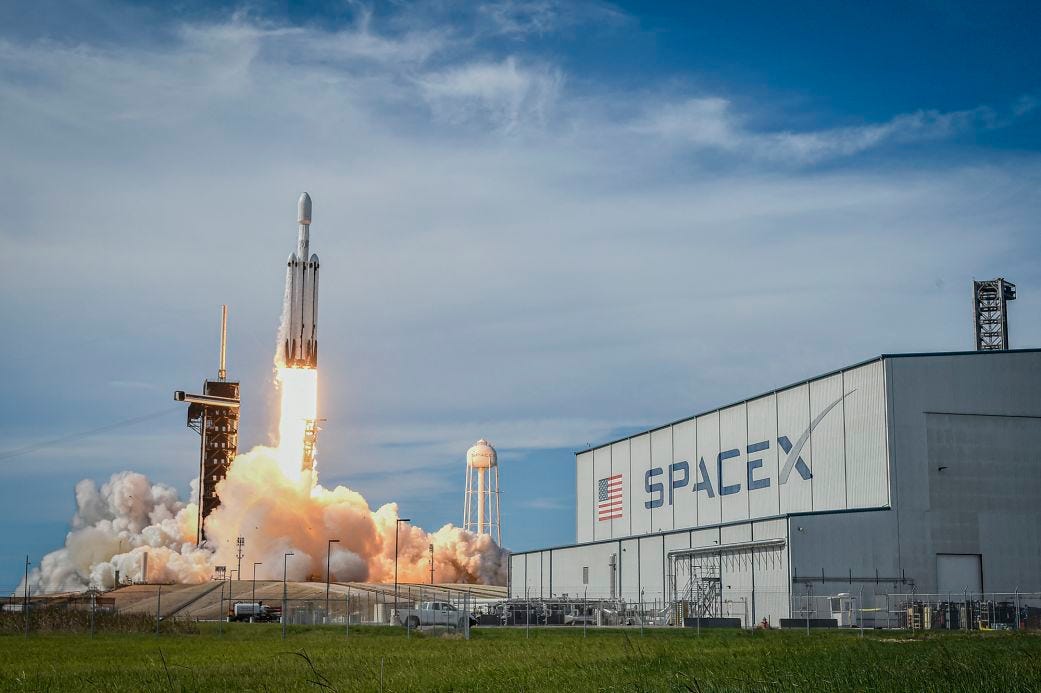
SpaceX made the first move. Elon Musk filed the S-1 prospectus with the SEC on May 20, 2026. The rocket company targets a Nasdaq listing under the ticker SPCX as early as June 12. The expected valuation sits around $1.75 trillion. That number shatters the previous record set by Saudi Aramco in 2019, beating its $29.4 billion raise by more than 2.5 times. Goldman Sachs leads a massive 21-bank underwriting group to raise up to $75 billion. The company plans to offer 30% of its shares to retail investors. That is a sharp increase from the usual 5 to 10% industry standard.
Anthropic quietly submitted its draft S-1 shortly after on June 1, 2026. This move came days after closing a $65 billion Series H funding round that pushed its valuation to $965 billion. OpenAI then confirmed its own confidential filing on June 8. Advised by Goldman Sachs and Morgan Stanley, OpenAI is aiming for a September launch valued between $730 billion and $850 billion. The financial details of all three tech giants will soon enter the public eye.
Massive Revenue Growth and Heavy Cash Burn
The revenue paths for these businesses show incredible scale. OpenAI brings in $2 billion every month. The chief financial officer confirmed the business passed $20 billion in annualized revenue by the end of 2025. The company is growing four times faster than Alphabet and Meta did at comparable stages. Anthropic saw its annualized revenue run rate jump from roughly $10 billion in late 2025 to $47 billion by May 2026. That is a nearly fivefold increase in under six months. In the first quarter of 2026, Anthropic led the global large language model market with a 31.4% revenue share. OpenAI followed closely at 29%.
SpaceX is generating equally large numbers. The Starlink satellite internet division generated $11.4 billion in 2025 and crossed 10 million subscribers. Projections for 2026 put Starlink revenues between $15.9 billion and $24 billion.
High growth comes with heavy costs. OpenAI does not expect to turn a profit until around 2030. HSBC analysts estimate the company could face a $207 billion funding shortfall by that time. Anthropic runs a more capital-efficient operation and projects breaking even by 2028. The open market will likely reward that two-year advantage. Over at SpaceX, the xAI segment recorded a $6 billion operating loss in 2025. It is currently burning $2.5 billion per quarter in 2026 alone. Morningstar recently valued SpaceX at $780 billion, which falls 48% below the IPO target. They labeled the xAI division a material threat of value destruction.
Market Liquidity: Finding $200 Billion in Fresh Capital
Portfolio managers are trying to figure out where $200 billion in new capital will originate. Optimistic voices point to the $8 trillion currently sitting in United States money market funds. The $75 billion raise from SpaceX takes up just a tiny fraction of that total cash pool. Goldman Sachs predicted total US IPO proceeds could hit $160 billion in 2026. That represents a fourfold increase from 2025.
Pessimistic voices warn of danger ahead. Bank of America chief investment strategist Michael Hartnett compared the current market to historical bubble extremes. He warned these new listings will push the technology sector past a 48% weighting in the S&P 500. Markets saw similar concentration levels right before major corrections in the 1920s, the Nifty Fifty era, and the 1980s Japanese bubble.
Capital rotation poses a measurable risk. Institutional funds currently hold shares in Nvidia, Microsoft, and Alphabet to gain exposure to artificial intelligence. Many will sell those established tech giants to buy the new listings directly. Hundreds of billions of dollars could rotate out of the Magnificent Seven stocks. Adding to the concern, more than 600 current and former OpenAI employees recently sold $6.6 billion in stock through secondary markets. Bank of America described the current IPO cycle as a large-scale transfer of accumulated risk from early investors to the public market.
Testing Investor Confidence in the Tech Sector
The upcoming months will be highly active. SpaceX will debut soon with fully visible financials. The OpenAI prospectus will require the company to reveal exact profit margins to the world for the first time. Anthropic plans to list last. The company wants to use the other two as valuation reference points while entering the market with its first quarterly operating profit.
Retail investors will soon read these financial documents and decide the market direction. A strong opening day for SpaceX could boost optimism and lift valuations for both OpenAI and Anthropic. A weak start or a missed revenue target could damage trust across the entire technology industry.
These three companies build complex systems with historic demand. People need high-performance computing, global satellite internet, and advanced machine learning models. The current asking prices require perfect execution for the next ten years. Investors are paying for a flawless future. The upcoming public listings will reveal if the technology sector can support these historic valuations in the open market.
Disclaimer:
All views expressed are my own and are provided solely for informational and educational purposes. This is not investment, legal, tax, or accounting advice, nor a recommendation to buy or sell any security. While I aim for accuracy, I cannot guarantee completeness or timeliness of information. The strategies and securities discussed may not suit every investor; past performance does not predict future results, and all investments carry risk, including loss of principal.
I may hold, or have held, positions in any mentioned securities. Opinions herein are subject to change without notice. This material reflects my personal views and does not represent those of any employer or affiliated organization. Please conduct your own research and consult a licensed professional before making any investment decisions.