

Meta just launched one of the largest stock sales in corporate history, and it is paying for AI with shares instead of borrowed money.
On Monday the company opened about $35 billion of underwritten common stock and mandatory convertible preferred offerings. It also plans to sell up to $60 billion more of a new non-voting Class C stock through an at-the-market program starting in 2027. That brings the total to as much as $95 billion.
For a company that spent years buying back its own stock, this is a sharp reversal. So why stock and not bonds? Here are eight reasons, starting with one theory you probably won’t hear on CNBC.
1. The talent-war theory (my take)
The same morning Meta announced its raise, Anthropic publicly filed for its IPO. Its shares could start trading on Nasdaq before Thanksgiving, and there is speculation it could raise around $100 billion at roughly a $2 trillion valuation.
That matters for the AI talent market. Once Anthropic employees can sell their shares, some will cash out and leave. Meanwhile, researchers being recruited today may hesitate to take equity priced at a valuation that already looks stretched.
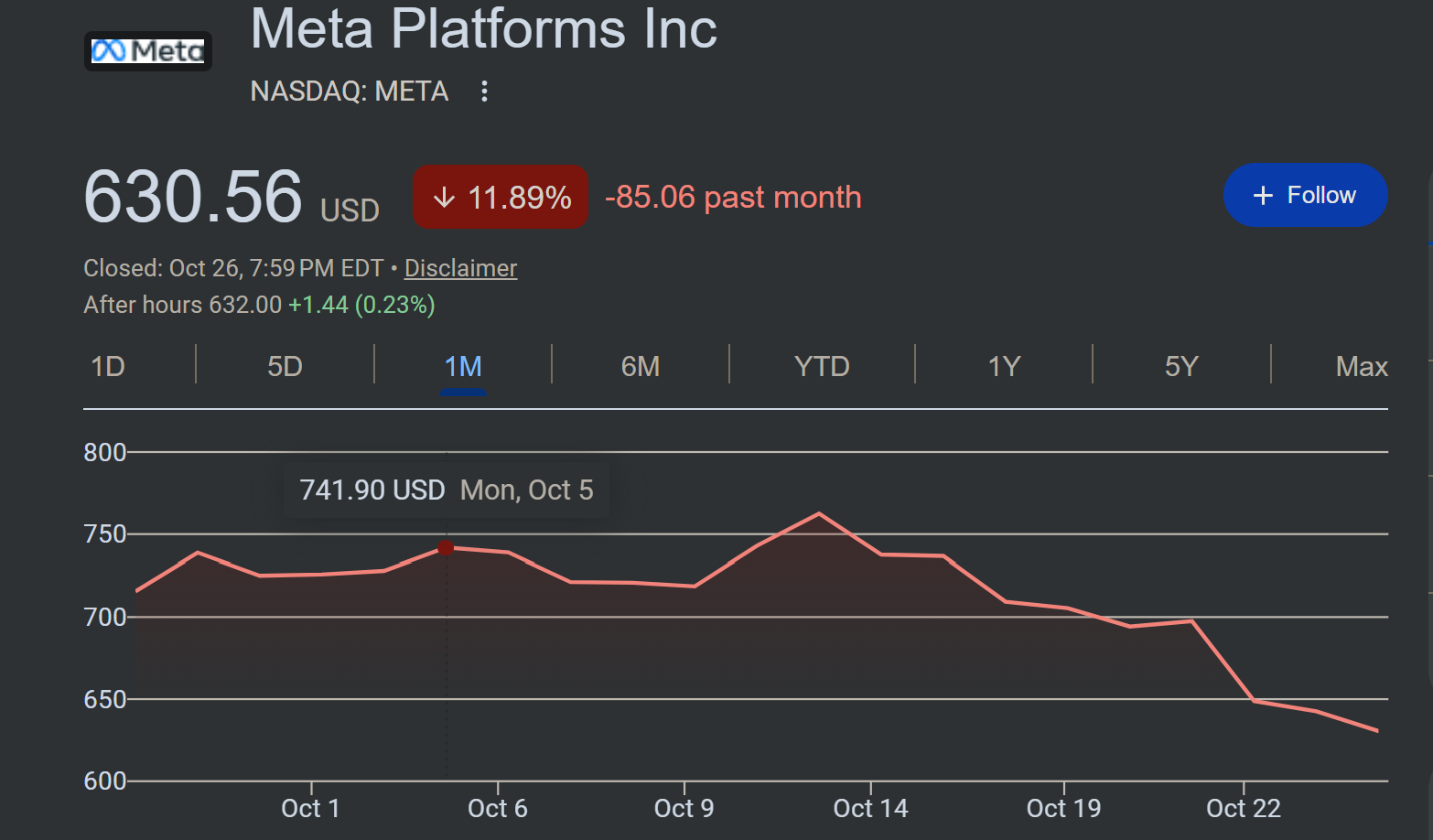
Here is where Meta comes in. Heavy spending plus a steady supply of new shares tends to keep a stock price in check. A lower share price means a fixed-dollar stock grant buys more shares, which leaves new hires more room to profit if the stock rises later. Meta’s CFO has even said the new Class C stock is usable for employee compensation.
To be clear, Meta has never said recruiting is a reason for the raise. This is speculation. But the timing is hard to ignore.
2. Debt is getting expensive
Meta is not short of borrowing options. It sold a record $30 billion bond deal last year and another $25 billion of notes in May. But borrowing costs have climbed. Meta still carries an AA credit rating, yet its 30-year bonds reportedly yield above 7%, which makes selling stock look comparatively cheap.
3. Protecting the credit rating
More debt could also put that AA rating at risk. According to reporting on the deal, a Meta special committee acknowledged that borrowing on this scale could hurt its credit ratings. A downgrade would raise the cost of every future bond Meta sells.
4. Cash flow turned negative
This is the number that changes the story. In Q3, Meta reportedly spent $34.91 billion on capital expenditures against $32.79 billion of operating cash flow. That would be its first negative free-cash-flow quarter in over a decade, and buybacks have dropped to zero in 2026. With capex guidance as high as $145 billion this year, the cash has to come from somewhere.
5. Zuckerberg keeps control
Selling tens of billions in stock normally dilutes the founder’s vote. Meta solved that by creating a new non-voting Class C share, effective in January 2027. The entire $60 billion at-the-market program will use those shares, and Meta’s committee reportedly said Zuckerberg would not back a raise that diluted his control. Investors get the economics; Zuckerberg keeps the votes.
6. The chip suppliers are buying in
Nvidia, AMD and Broadcom have expressed interest in buying up to $5 billion of the new Meta shares. It is a circular arrangement: the companies selling Meta its AI chips help fund the purchases, and Meta keeps buying their hardware.
7. Selling while the price is high
Equity is cheapest to raise when your stock is richly valued. Investor Craig Shapiro argues that issuing shares at Meta’s current valuation beats piling on more high-interest debt. Meta also gets flexibility: it can settle the forward sales of its common stock on dates it chooses, as late as November 2027.
8. Getting ahead of the line
Investor capital is finite, and the queue is long. Google, SpaceX and soon Anthropic are all tapping the markets for money. Alphabet already raised about $85 billion in stock this summer. By moving now, Meta grabs its share of investor demand before a record-sized Anthropic IPO soaks up attention and cash.
The bottom line
Most of Meta’s reasons are plain corporate finance: debt is pricey, the credit rating is worth protecting, cash flow has gone negative, and the stock is valued well enough to sell. The non-voting shares keep Zuckerberg in charge, and the chipmakers’ participation keeps the hardware flowing.
But the timing invites a bigger question. On the same day Anthropic opened its books to public investors, Meta lined up nearly $100 billion to stay in the AI race, and a new class of stock it can hand to employees. Whether that’s coincidence or strategy, the fight for AI talent and capital just moved to Wall Street.
Disclaimer: All views expressed are my own and are provided solely for informational and educational purposes. This is not investment, legal, tax, or accounting advice, nor a recommendation to buy or sell any security. While I aim for accuracy, I cannot guarantee completeness or timeliness of information. The strategies and securities discussed may not suit every investor; past performance does not predict future results, and all investments carry risk, including loss of principal.
I may hold, or have held, positions in any mentioned securities. Opinions herein are subject to change without notice. This material reflects my personal views and does not represent those of any employer or affiliated organization. Please conduct your own research and consult a licensed professional before making any investment decisions.